Match the load
Material density, machine weight, deck dimensions, ramp geometry, axle capacity, tires, brakes, and securement all matter.

Compare current dump, flatbed, vehicle, and equipment-hauling listings by payload, deck or bed size, running gear, ramps, hydraulics, condition, and tow requirements.
Material density, machine weight, deck dimensions, ramp geometry, axle capacity, tires, brakes, and securement all matter.
For dump equipment, verify hydraulic operation, battery, charger, controls, cylinder, hinges, gates, and safety supports.
Match the physical VIN and title to the listing and sales paperwork before exchanging funds.
Dump and flatbed trailer selection starts with the actual load: its weight, dimensions, loading method, tie-down plan and destination. Bed or deck length is only one measurement; GVWR, empty weight, axle ratings and tongue weight determine whether a configuration fits the job.
Define the material density, load volume, side height, loading equipment, hydraulic system and where dumping will occur.
Record machine weight, wheel or track width, ramp angle, ground clearance, securement points and weight distribution.
Review tires, brakes, battery or pump access, jack capacity, coupler, deck or bed condition and maintenance access.
| Decision | What to verify | Why it matters |
|---|---|---|
| Capacity | GVWR, empty weight, axle ratings and cargo weight | Prevents using bed volume as a payload claim |
| Loading | Ramp style, angle, width, rating and stowage | Determines machine and site compatibility |
| Hydraulics | Pump, battery, cylinders, controls and charging | Determines dump operation and service needs |
| Securement | Stake pockets, rub rail, D-rings and load balance | Determines how equipment or materials are restrained |
A listing is a useful starting point, not a substitute for current verification. Ask BJP to confirm the stock number, price, physical location, availability and included equipment before traveling. When comparing two trailers, put their published facts into the same checklist instead of relying on photos or broad category names.
Pickup and transport planning should use the exact trailer dimensions, weight, receiving address, timing and site access. The receiving party should have a safe place to inspect the unit, confirm paperwork and note condition at handoff.
For any regulated or commercial use, ask the authorities responsible for the intended operating address which documents and inspections apply. A trailer's presence on a sales page is not a promise of approval for every use or location.
Call BJP with the stock number. Ask the team to confirm current availability, price, physical location and specifications before you travel or make a payment.
BJP can help request transport pricing to an exact receiving address. The trailer, dimensions, route, timing, carrier availability and access affect the quote. The only BJP show lot is in Springfield.
Use the signed sale documents and current written specification. Compare them with the intended work, towing plan, budget and any requirements supplied by the authorities responsible for the final use.
Compare dump and flatbed trailers around material, equipment and payload. Put each candidate into one worksheet with identity, dimensions, capacities, installed equipment, condition, documents, current price, pickup or delivery and items that still need verification. That makes a current listing, used trailer and custom direction easier to compare on equivalent terms.
Ask for the stock number, live availability, physical location, current price, included items, recent photographs and a live-video walkaround. Match the unit to the published specification before traveling.
Review identity, ownership documents, structure, roof, floor, running gear, tires, brakes, wiring, plumbing, fuel systems, modifications, maintenance and any installed equipment. Price future work instead of assuming it is minor.
Define the work, payload, equipment, access, utility and travel needs first. Compare drawings and specifications—not renderings alone—and put inclusions, exclusions and changes into the signed scope.
GVWR is not payload. Payload is affected by the trailer's actual empty weight and every installed option, fluid, fuel, tool, supply and piece of cargo. Ask for available weight information and use qualified scales and professionals where appropriate. Check axle, tire, wheel, hitch and tow-vehicle ratings as part of one system.
Look for frame or tongue damage, corrosion, leaks, soft flooring, door alignment, tire age and wear, brake or bearing service, wiring changes and repairs. Operate ramps, jacks, hydraulics, appliances or utility systems when safe and appropriate. If expertise is needed, arrange an independent inspection before purchase.
Confirm who supplies title or transfer documents, temporary registration where applicable, keys, manuals and included accessories. For carrier delivery, use the exact trailer and address. At handoff, compare identity and condition with the signed documents and record any discrepancy.
Frame, axle setup, tires, empty weight, options and interior equipment can differ. Use actual ratings and available weight documents for the specific unit, not a generic assumption based on length.
A current inspection or qualified independent review can help identify condition and specification questions that photographs do not show. The appropriate inspection depends on the trailer category and intended use.
Confirm the seller, exact trailer identity, availability, current price, included items, condition, written terms, deposit treatment, remaining balance, documents, pickup or delivery and any unresolved inspection questions.
Dump and flatbed trailer selection starts with the actual load: its weight, dimensions, loading method, tie-down plan and destination. Bed or deck length is only one measurement; GVWR, empty weight, axle ratings and tongue weight determine whether a configuration fits the job.
Confirm who is selling the trailer, the stock reference, title or VIN when applicable, current physical location, price, availability, deposit terms and the documents supplied at handoff.
Review frame, tongue, coupler, jack, axles, suspension, hubs, tires, wheels, brakes, lighting, roof, floor, doors and evidence of damage, leaks, repairs or modifications.
Operate or professionally review relevant electrical, water, propane, ventilation, refrigeration, hydraulics, ramps, controls and equipment. Record models, ratings and condition.
Budget for registration, insurance, storage, inspections, maintenance, tires, bearings, brakes, batteries, winterization, equipment service and repairs. Keep manuals, keys, serial numbers, warranties and service records in one file. Establish who will perform qualified work on specialized systems near the operating or storage location.
Transport is part of the purchase. Confirm tow-vehicle and hitch compatibility for pickup, or obtain a carrier quote based on the exact trailer and address. Inspect the unit at handoff, compare it with the signed documents and follow the agreed process if any identity, condition or included-item question appears.
When the trailer supports a regulated business, keep seller documentation separate from permits and approvals. The seller describes the unit; responsible agencies decide whether the proposed use and operating sites satisfy their current requirements.
Call BJP to confirm current physical location, specifications, availability, and price before traveling.
See all current listings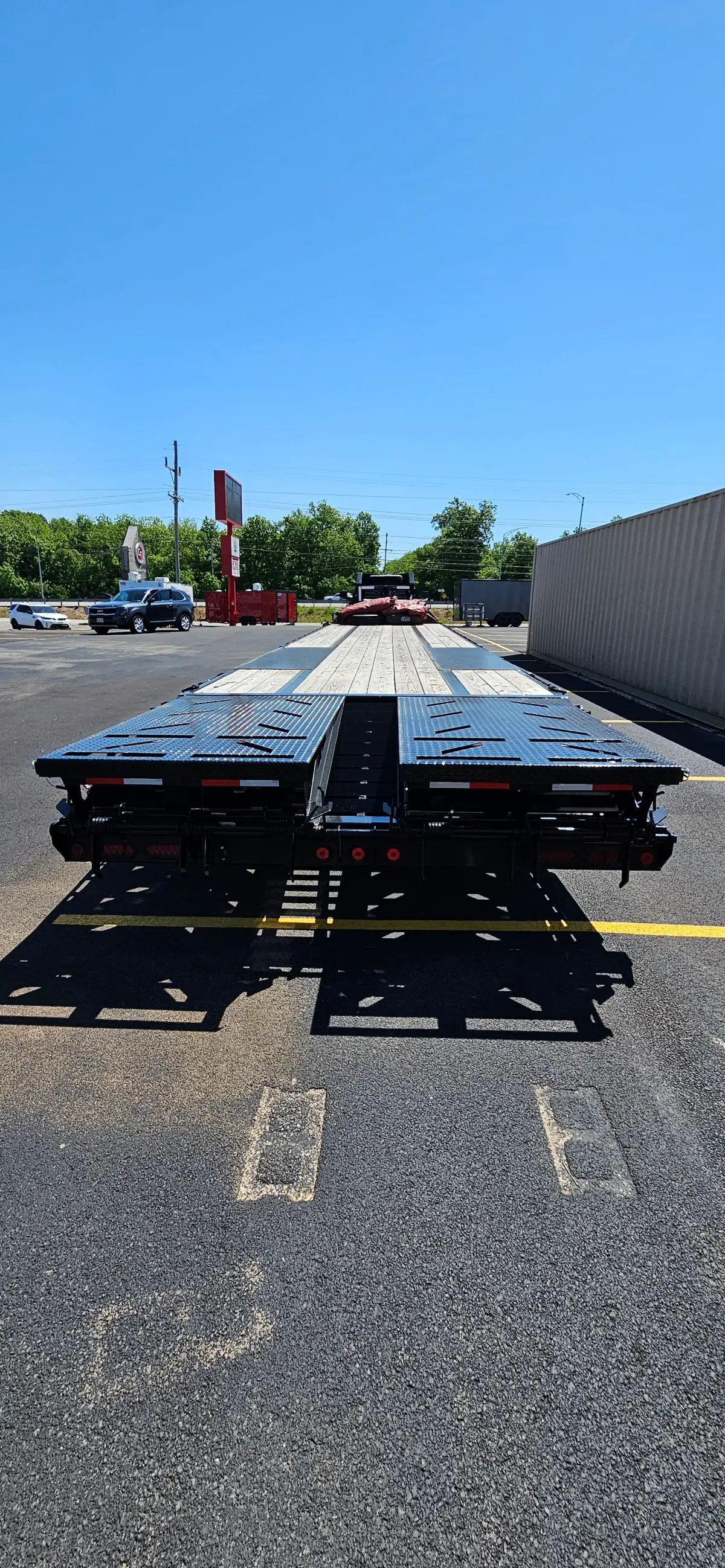
2025 Iron Bull flatbed listing. Call for deck dimensions, payload and GVWR, axle setup, ramps, condition, price, and availability.
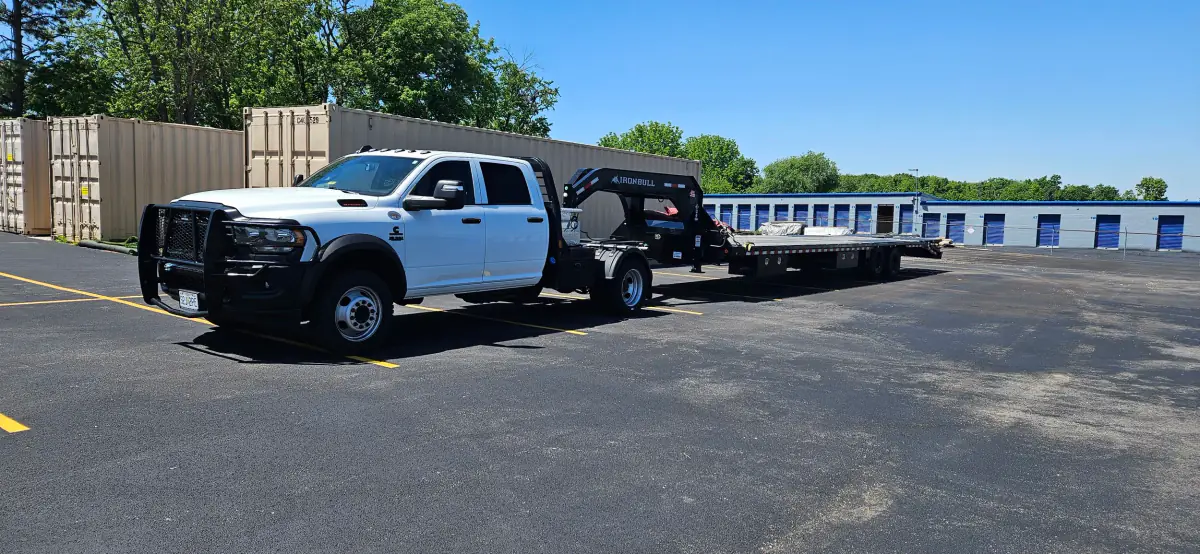
2024 Ram truck listing. Call for trim, engine, drivetrain, mileage, tow rating, condition, title, price, and availability.
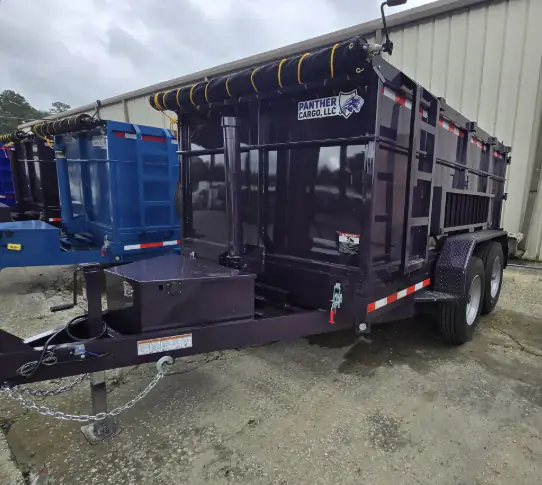
Black 7 × 14 Panther dump trailer. Call for GVWR, axle setup, hydraulic details, condition, price, and availability.
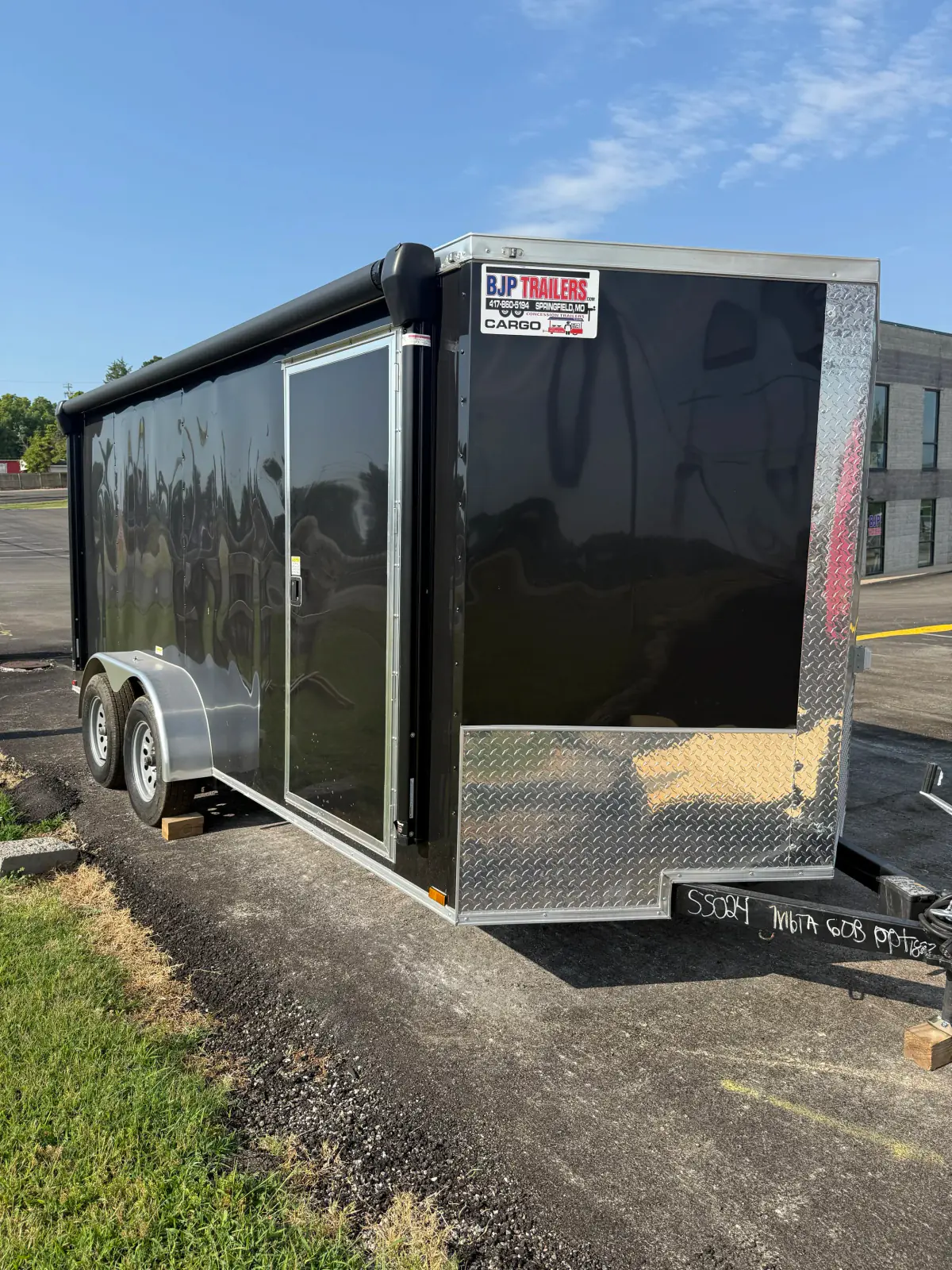
Bring your menu or hauling plan, compare current units, or start a custom layout and delivery quote.